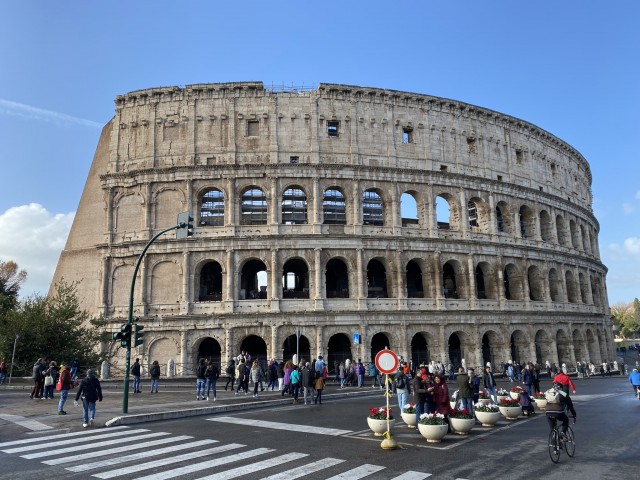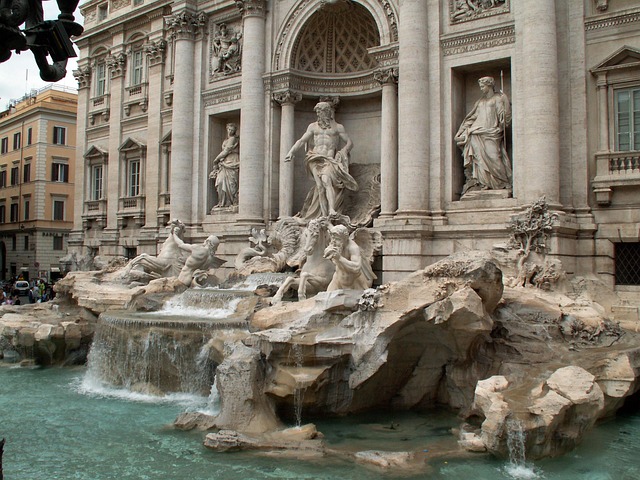
Our First Day in Rome – A Relaxed Walk Through the Historic Centre with a Child

This post contains affiliate links. Full disclosure at the bottom of the page.
What’s in this guide?
Best Time for a Rome City Break
Navigating Rome with a Stroller
Getting from Florence to Rome by Train
Airport Transfers & Public Transport Tips
Where to Stay: Accommodation near Termini
Exploring the City Centre on Foot
Essential Tip: Skip the Queues!
Rome is not only a city of monuments – it is a feeling, a way of life. A place to be seen, felt, and tasted. Mornings can begin with an espresso at a corner café, afternoons are spent strolling in the shadow of the Colosseum, and evenings unfold in cosy trattorias, where the city lights shimmer on the surface of the River Tiber.
Every year, millions of visitors arrive from all over the world to admire Rome’s iconic sights. The city is truly rich in historical treasures – if you want to see everything, you could easily spend several days exploring.
Whether it’s your first visit or you’re a returning traveller like me, Rome always has something new to offer. It’s not only rich in landmarks, but in experiences too – a city that delights all the senses.
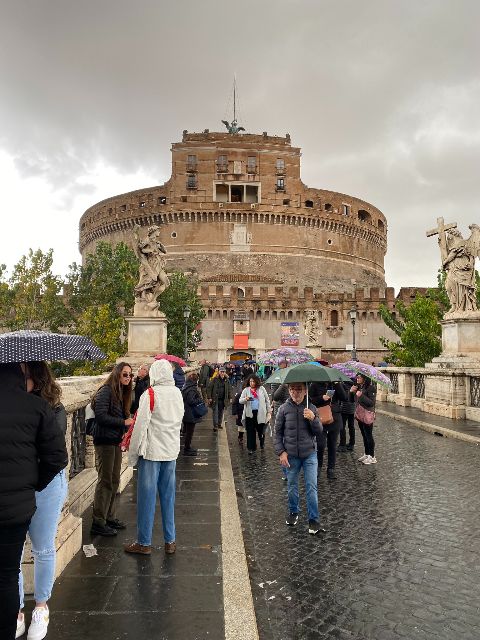
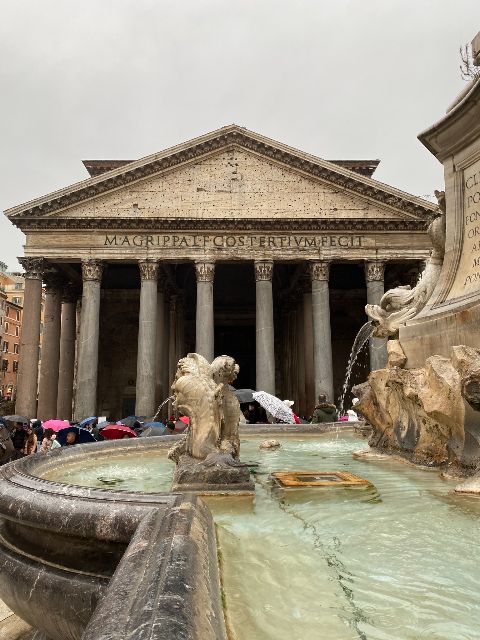
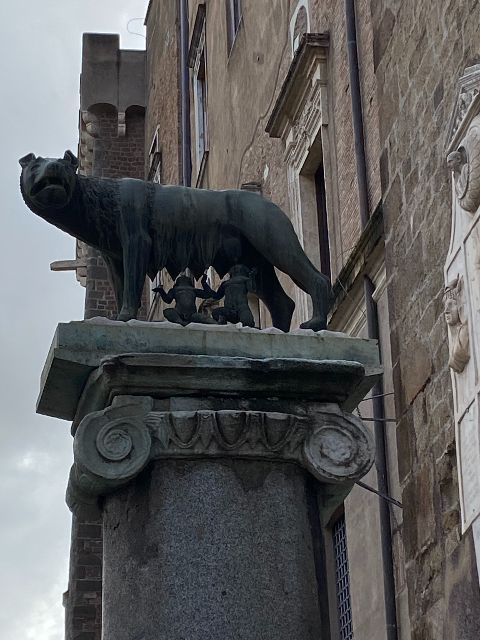
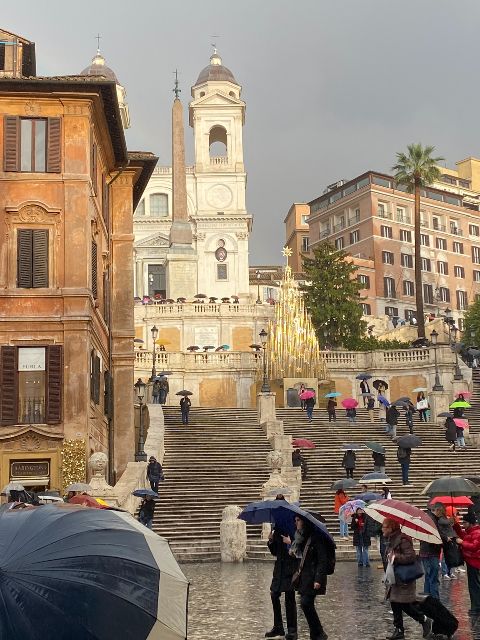
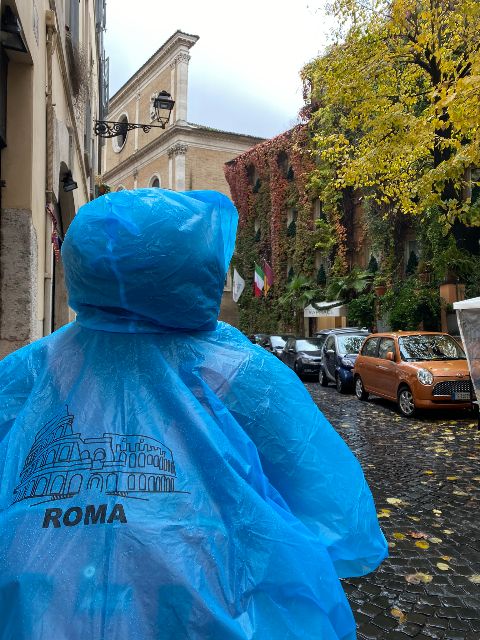
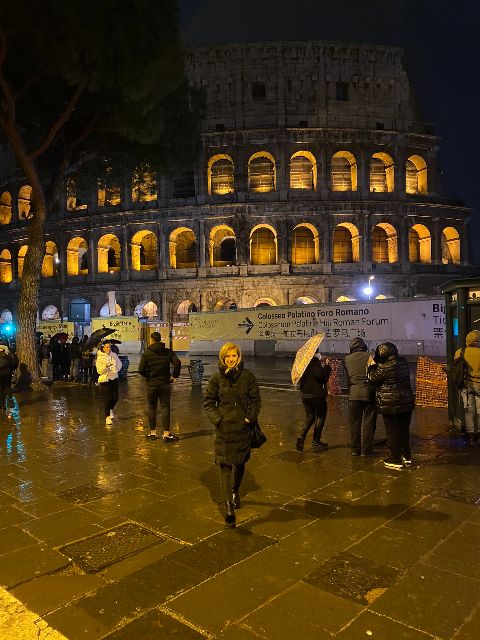
Rome has a Mediterranean climate: winters are mild and wetter, while summers are hot and dry. The most ideal time to visit is clearly spring or autumn, when the weather is pleasant. However, if you’re planning a trip during these popular seasons, it’s best to start organising early. Rome is extremely popular in spring and autumn, and good flight deals and well-located accommodations tend to sell out quickly.
We visited Rome outside the main tourist season, in December 2022, after a city break in Florence. The weather was surprisingly mild, with daytime temperatures ranging between 11–15°C (52–59°F), and at times our winter coats even felt unnecessary.
And since we were travelling in winter with a toddler, we made sure to have a solid travel insurance from WorldNomads, just in case the December chill led to any unexpected doctor visits.
On the second day, we experienced a few light showers, but there was no constant rain. Umbrellas and rain ponchos were sold on almost every corner for just a few euros, so there’s really no need to overpack – especially if you’re flying. (Although, to be honest, the quality of the umbrella we bought left something to be desired )
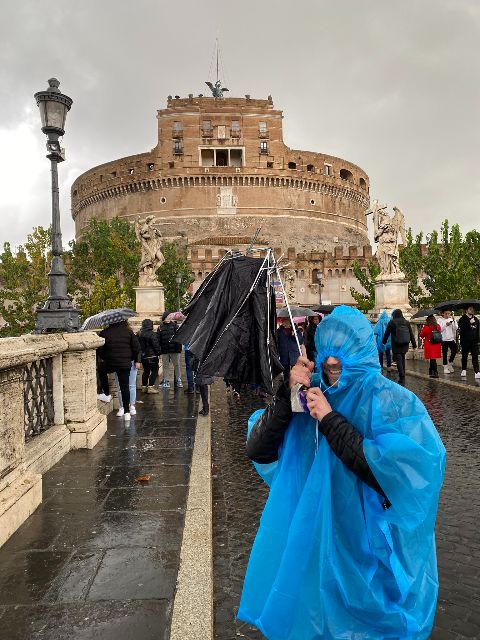
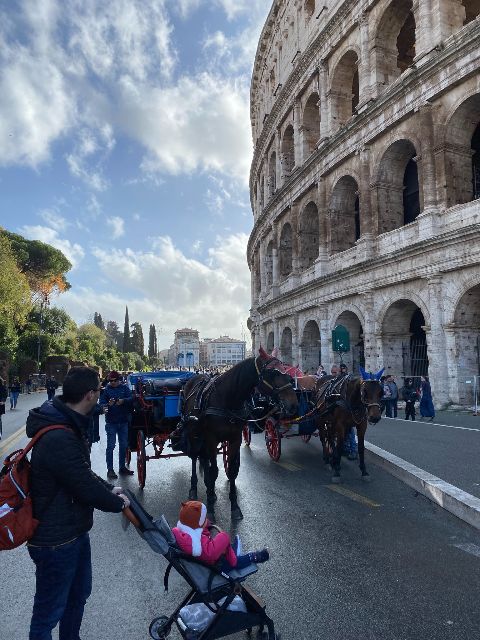
We explored Rome with our one-year-old daughter, using a stroller throughout the trip. Many people worry that such a historic city might not be suitable when travelling with a baby or toddler. As always when travelling with a young child, flexibility and good planning are essential – but with these in place, Rome with a baby or small child is absolutely enjoyable.
While ancient stone pavements, cobbled streets and frequent staircases occasionally presented challenges, overall we managed very well. Most of Rome’s major attractions are located within the historic centre and are relatively close to each other. For example, the distance between the Colosseum and the Spanish Steps is around 2.5 km (1.5 miles), which is perfectly walkable even with a stroller.
We mostly got around on foot and only used public transport once: on our second day, we took the metro to visit the Vatican.
In restaurants and cafés, our little one was warmly welcomed. Many places offered high chairs and baby-changing facilities, and locals often smiled at her – the Italians’ openness and love for children were truly felt everywhere we went.
Tip: To avoid high bank fees while withdrawing Euros or paying in restaurants, we used our Wise card – the exchange rates are much better than traditional banks, which adds up during a city break.
Stay tuned! Our detailed guide on exploring Florence with a one-year-old is coming very soon. In the meantime, let’s see how we got from Florence to Rome…
We travelled from the heart of Florence to Rome on the Frecciarossa high-speed train, part of Trenitalia’s premium rail services. We purchased our tickets in advance via the official Trenitalia website (https://www.trenitalia.com/it.html), which requires prior registration. Our train departed from Florence Santa Maria Novella station shortly before 10 a.m. and arrived at Rome Termini in just over an hour and a half.

In Rome, children under the age of 10 can use public transport free of charge. On Trenitalia trains, children under the age of 4 travel for free.
If you arrive in Rome by plane, you will land either at Ciampino Airport or at Fiumicino Airport (officially Leonardo da Vinci Airport). For first-time visitors, the most common question is how to get from the airport to the city centre: what is the best option, how much does it cost, and which transport should you choose?
The good news is that from both airports there are direct bus and train connections to Rome Termini station. You can book your airport transfer online in advance, but if you prefer to arrange it on arrival, that’s not a problem either – buses to the city run regularly from the airports. However, it’s worth checking timetables in advance, as buses from Ciampino Airport run less frequently than those from Fiumicino.
If you want to save time and avoid queuing for tickets at the machines, you can check Economy Bookings or QeeQ.com if you prefer renting a private car for the family. Also, to have an internet connection the moment you land, I highly recommend an eSIM from Airalo – so you will have a working data connection the moment you step off the train or plane.
We arrived in Rome by train from Florence, so we only needed to get to Ciampino Airport at the end of our stay – you’ll find the details of this at the end of the post.

Rome Termini is not only the city’s largest railway hub, but also the centre of Rome’s public transport network. Both metro lines A and B meet here, and airport connections also depart from and arrive at this station. From Termini, you can easily reach any part of the city by metro, and the bus and tram networks are also well organised. With day tickets, travel passes or various transport cards, public transport is easy and convenient to use.
Transport tip
A single ticket purchased in Rome is valid for 100 minutes, during which you can use multiple modes of transport. For example, you can transfer from bus to metro or from tram to another bus, as long as this happens within the valid time frame. However, it’s important to note that you can only transfer from one metro line to another with the same ticket if you stay within the station. If you exit the metro area, a new ticket will be required to re-enter.
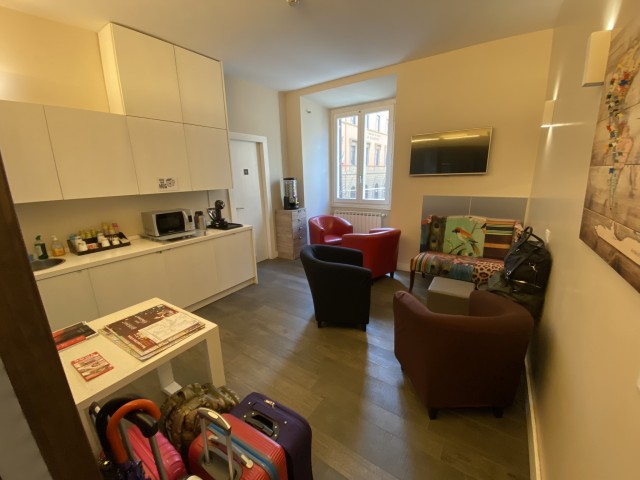
During our stay in Rome, we chose accommodation just a few minutes’ walk from Termini station, which made both arrival and departure much easier. We booked the Manin Suites LT via Booking.com, and we were able to collect the keys as early as midday. The check-in process was smooth and efficient, allowing us to head out quickly and start exploring the city.
Why did we choose this accommodation?
Everyone has different priorities when choosing a place to stay. For us, practicality is always key, and on this trip, saving time was especially important, as we only had two days in Rome. Since our train arrived at Termini and we were departing from the same station two days later, staying nearby was the most logical choice.
The room was spacious, the bathroom modern, and everything was clean and well maintained. The room included a fridge and a safe, as well as a private shower and toilet. In the shared kitchen, guests were offered complimentary coffee capsules. A special bonus for families with young children: upon request, a baby cot was provided free of charge.
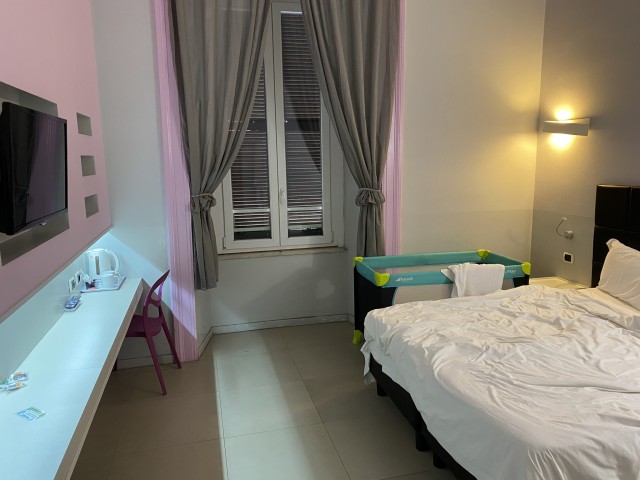
Communication with the hosts was smooth throughout our stay, and after check-out we were able to leave our luggage at the property – extremely helpful, as our flight departed late in the afternoon. If your accommodation doesn’t offer luggage storage, don’t worry – you can find secure spots all over Rome (especially around Termini) using Radical Storage.
As for our stay, entry to our building involves several coded doors, providing a high level of security. There is also a lift in the building, which was particularly convenient with luggage and a stroller.
Some guests mentioned the noise from the tram line running directly in front of the building as a downside. However, as we stayed there in winter with the windows closed, this was not an issue for us at all – we slept peacefully without disturbance.
The staff were kind and helpful, and upon arrival we received a map and useful tips about getting around Rome.
On this day, we explored Rome entirely on foot, as our accommodation was only about a 15-minute walk from the heart of the city. The historic centre is relatively compact: for example, the distance from the Colosseum to the Spanish Steps is less than three kilometres, making the city’s most famous landmarks easily walkable – even with a stroller.
Rome is full of sights, but for efficient sightseeing it’s worth planning ahead and deciding what you’d like to see, then marking these spots on a map. By grouping nearby attractions into daily routes, you can create a logical and time-saving itinerary. This approach allows you to fit more into your day while avoiding unnecessary rushing.
Before I guide you through the route we followed to discover Rome’s highlights, I’d like to share one more practical tip – one that simply can’t be emphasised enough.
Although on this particular trip we didn’t visit the major landmarks from the inside, on a previous visit to Rome it was incredibly helpful to have purchased entrance tickets in advance. At Rome’s most popular attractions – such as the Colosseum or the Vatican – long queues are very common.
By buying tickets online with a reserved time slot, you can save a significant amount of waiting time and spend more of your trip actually enjoying the city. Platforms like GetYourGuide or Tiqets make it easy to secure skip-the-line tickets in advance, and they often include flexible cancellation options too. While this sometimes costs a few euros more than buying tickets on the spot, on a short city break every minute counts. And let’s be honest – sipping a coffee on a sunny terrace is far more enjoyable than standing in a long, shade-free queue. If you prefer a more budget-friendly option, you can also look for Free walking tours, which are a great way to explore the highlights while learning local stories from knowledgeable guides.
Some of the links in this post are affiliate links. This means we may earn a small commission at no extra cost to you. This helps support WanderingKite and allows us to continue sharing family travel tips and experiences.
@ Copyright - WanderingKite | All rights reserved! | Privacy Policy