Algarve with a Toddler – 6 Days of Beaches, Cities, and Family Adventures in Portugal

This post contains affiliate links. Full disclosure at the bottom of the page.
In this post:
Praia do Barril – A Scenic Train Ride to the Golden Beach
Faro – The Capital of the Algarve
We started our fourth day with a slightly longer drive, as our first destination was one of the most charming towns in the Algarve – Tavira. Since getting around this region is so much easier with your own wheels, we booked our rental through QEEQ.com, which we found very reliable, but it’s also worth checking Economy Bookings and Booking.com’s car rental platform to compare the best rates for the Algarve region.
This picturesque town lies along the gently flowing Rio Gilão, crossed by several beautiful bridges. With its many churches and traditional whitewashed houses topped with distinctive hipped roofs, Tavira has a truly unique and timeless charm.
After about an hour’s drive, we parked our car and headed towards the historic center of Tavira. Our first stop was the town’s small medieval castle. The Calçada dos Sete Cavaleiros, or Path of the Seven Knights, is a lovely walkway connecting the Igreja de Santiago church with the castle – and that’s the route we chose as well.
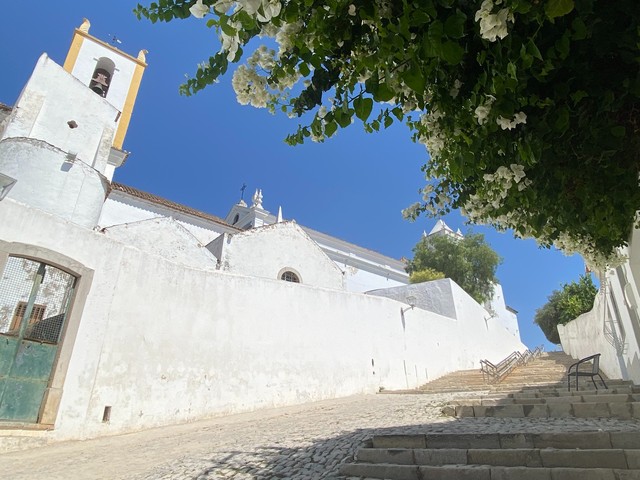
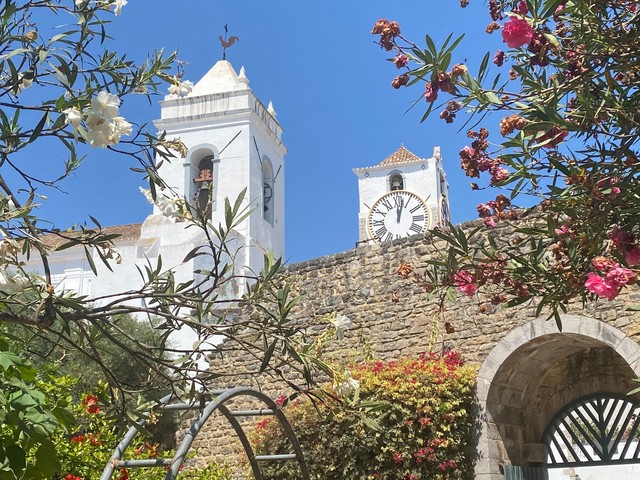
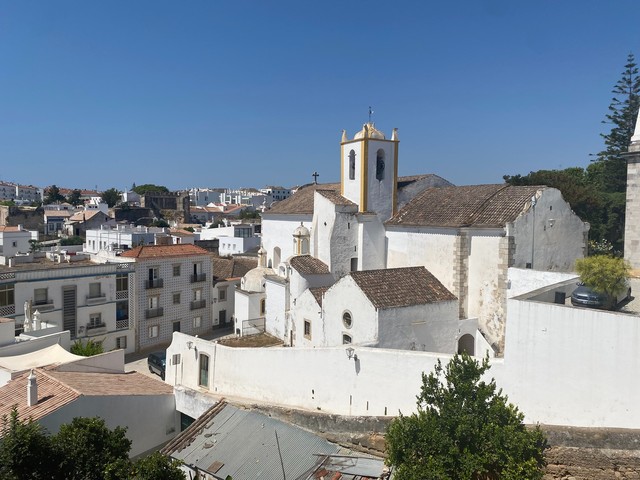
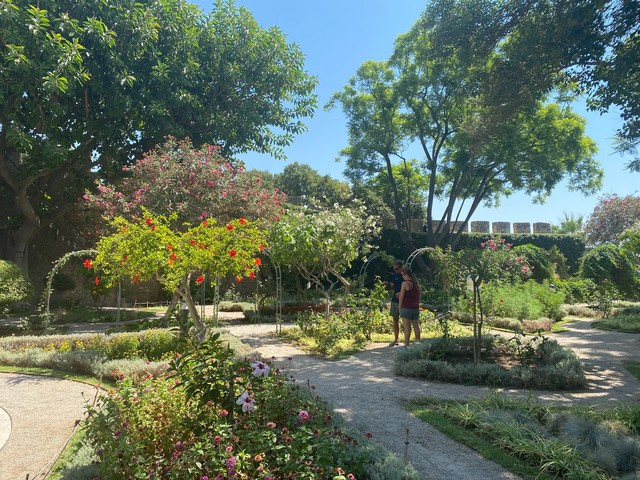
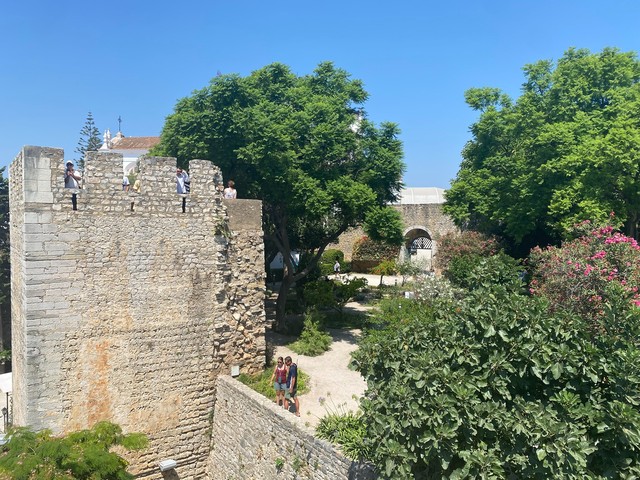
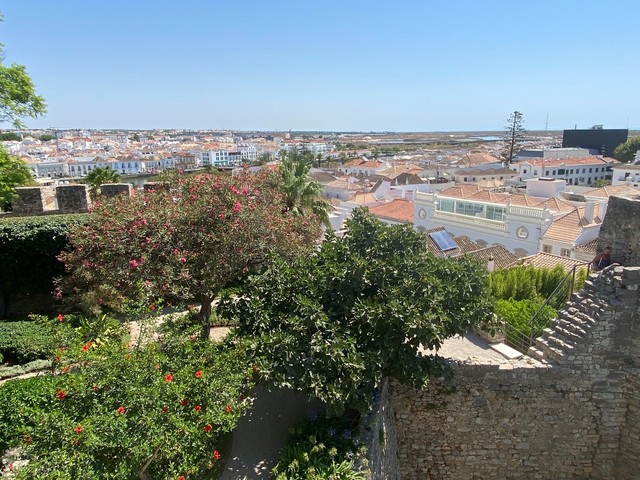
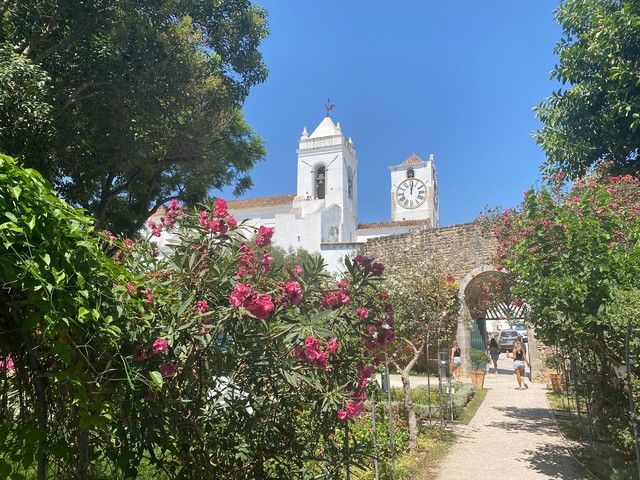
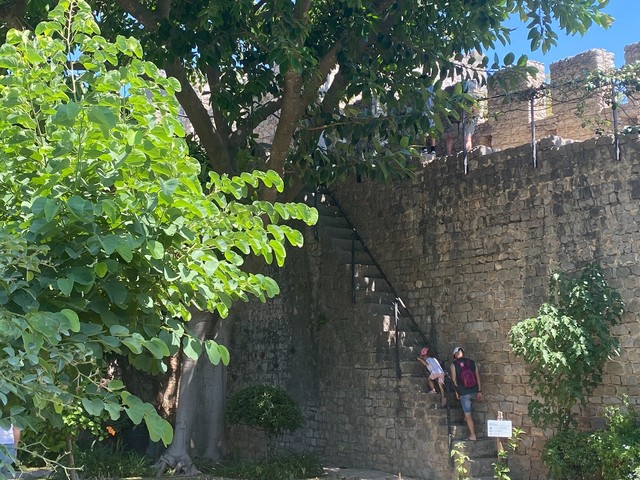
The castle dates back to the 13th century. Although it was badly damaged by the 1755 earthquake, it was later rebuilt, and today its 18th-century walls still stand proudly. Inside, there’s a beautifully landscaped garden where every plant is labeled, turning a simple stroll into a learning experience – something even our little daughter enjoyed, as she loves looking at different flowers and trees.
Steep stairs lead up to the ramparts, offering stunning panoramic views over Tavira’s white houses and the river. Entry is completely free, and there are drinking water fountains and restrooms on-site – a big plus when traveling with a young child.
Tracing the Town’s Churches
Right next to the castle stands Tavira’s main church, the Gothic Igreja de Santa Maria do Castelo, built in the 13th century on the site of an old mosque. It too was destroyed by the 1755 earthquake but later rebuilt.
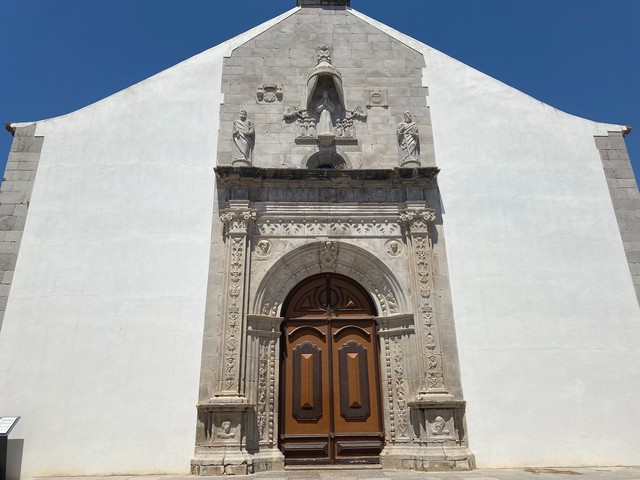
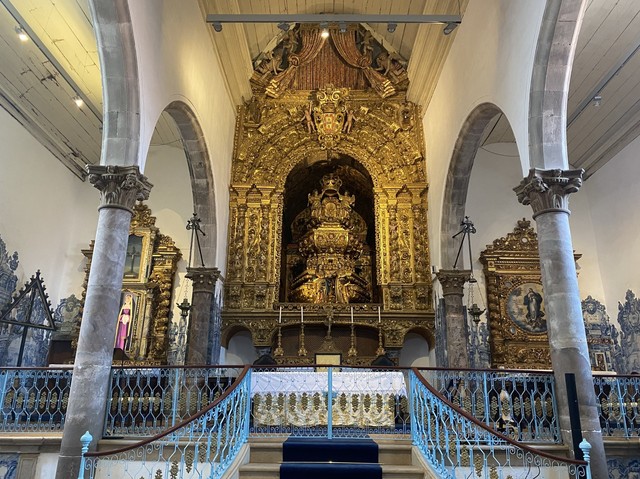
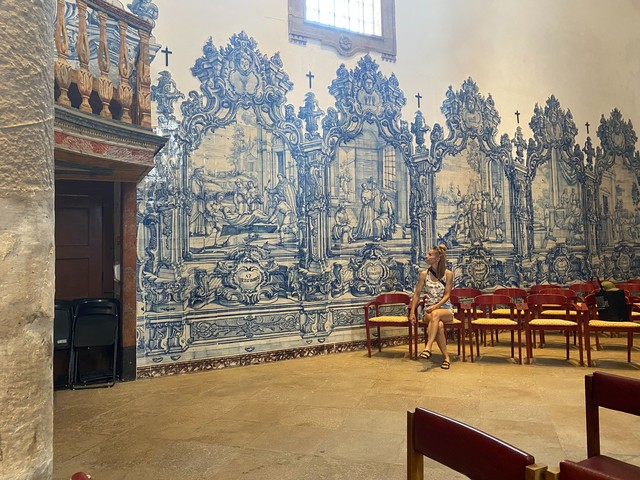
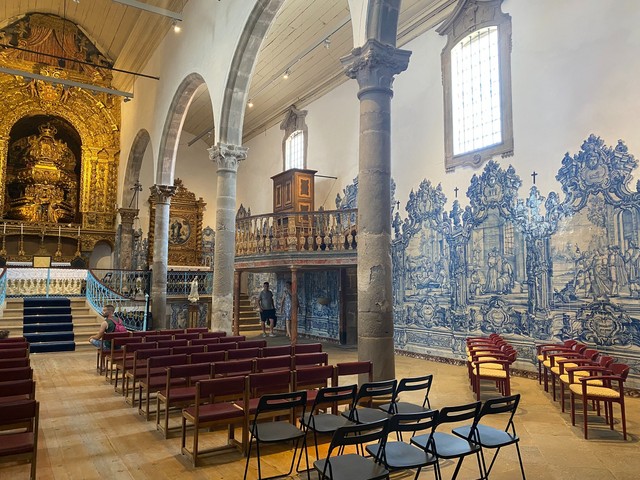
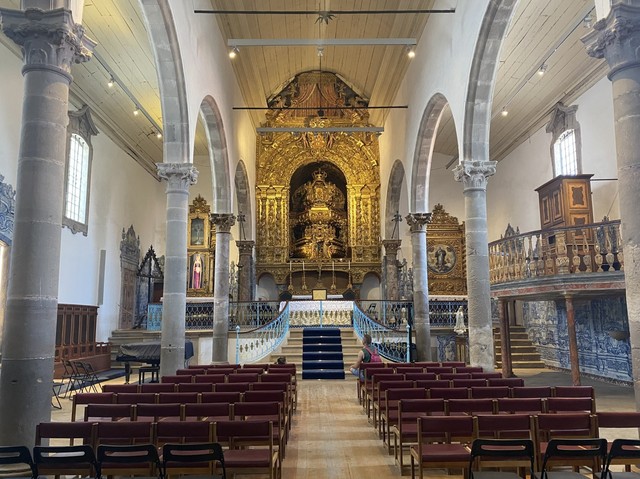
We then made our way to what many consider Tavira’s most beautiful church, the Igreja da Misericórdia – a true Renaissance gem. Admission is €4 per adult (as of August 2025), and children enter for free.
The interior walls are covered with stunning blue and white azulejo tiles, and the gilded altar is absolutely magnificent. On the façade, you can see the statue of Nossa Senhora da Misericórdia. A brochure and map helped us understand the church’s rich history, and we also climbed up to the bell tower, which offers a wonderful view over Tavira’s rooftops and surroundings. We visited in the late morning, and it was pleasantly quiet – a truly peaceful experience.
Relaxing at Praça da República
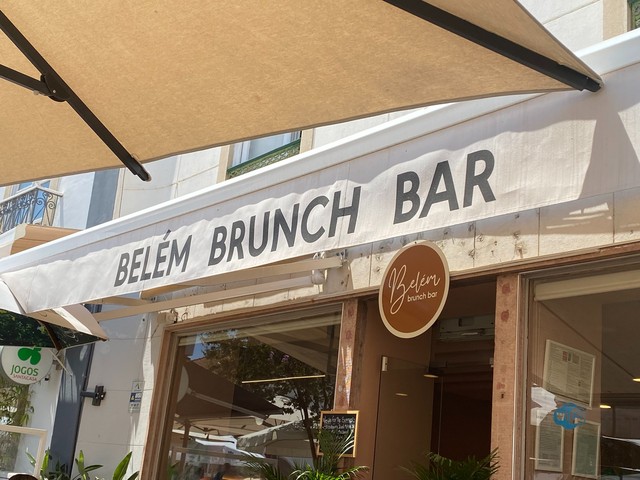
After visiting the churches, we made our way to the heart of the town, Praça da República, a lively square lined with cafés and restaurant terraces. We stopped at a lovely spot called Belem Branch for a light lunch and some refreshments. The pastel de nata was fresh and delicious, the coffee excellent, and my husband even found dairy-free ice cream – a rare treat!
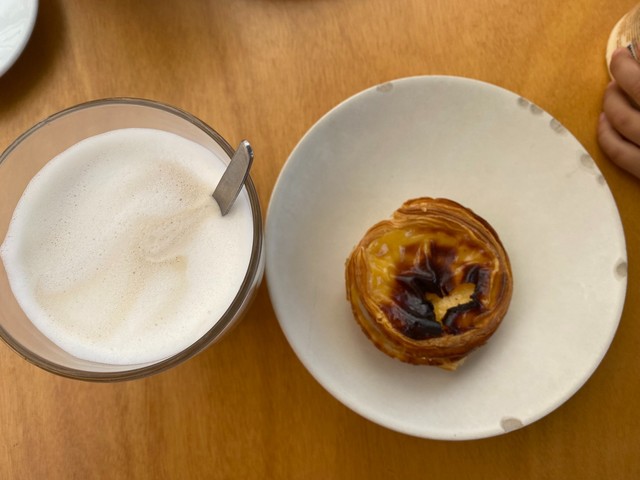
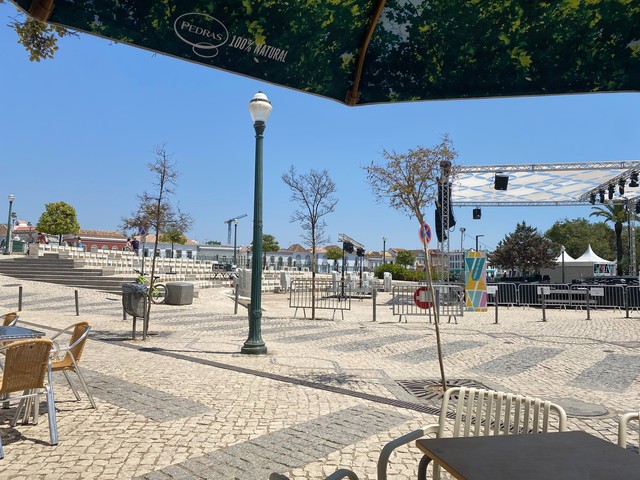
It was the perfect place to rest for a while, sitting in the sunshine while our daughter enjoyed her ice cream and we watched people passing by. On one side of the square, there’s a small amphitheatre; on the other, the arched town hall with a fountain pool and a war memorial in front.
The Famous Roman Bridge
After lunch, it was time to move on – and we crossed one of Tavira’s best-known landmarks, the Roman Bridge (Ponte Romana). Although not truly Roman, as it was built in the 12th century, it remains wonderfully atmospheric. The bridge is open to pedestrians only, making it a safe and relaxing place to stroll.
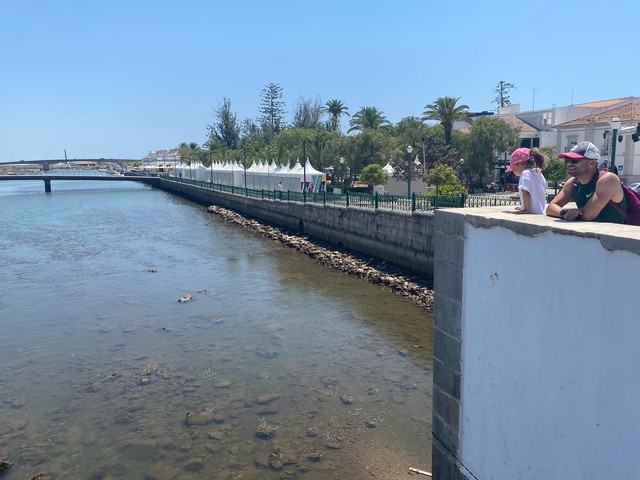
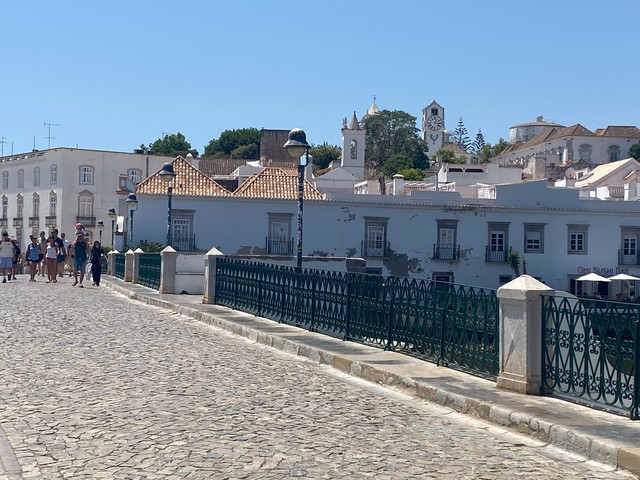
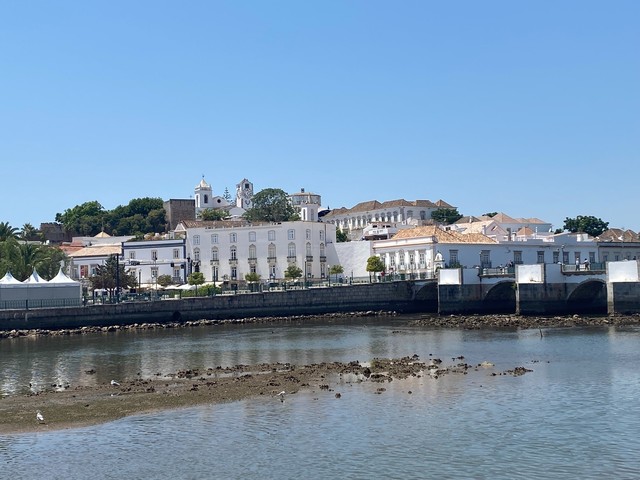
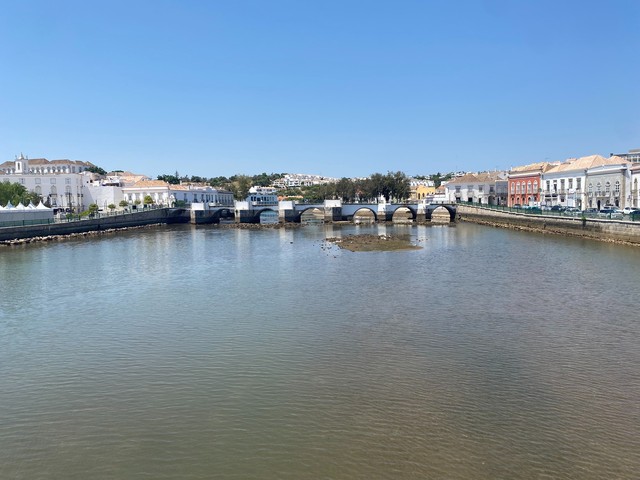
On the other side, we wandered through a short bazaar street before crossing back via another bridge, the Ponte das Forças Armadas, which offers a great view back towards the Roman Bridge. We then arrived at the Mercado da Ribeira, Tavira’s former main market hall, now home to small shops and restaurants.
Check availability for the best local experiences: If you want to see all the hidden corners of the town and the famous Tuna Village without the long walks, we highly recommend booking a Tuk-Tuk tour. It’s a lifesaver with kids!
Platforms such as GetYourGuide and Tiqets offer a wide range of activities in Tavira, making it simple to check availability, prices, and itineraries before you go.
After our walk, we returned to the car, as the rest of our day included a beach visit and a trip to Faro.
Tavira truly is a hidden gem in the Algarve: with its charming churches, historic castle, and bridges spanning the Rio Gilão, it offers a unique mix of history and tranquility. It’s also an ideal destination for families – everything is close by, there are plenty of shaded spots to rest, and distances between attractions are short, making it easy to explore even with a young child.
We continued our Algarve adventure with a visit to the stunning Praia do Barril, located on Ilha de Tavira, just outside Tavira. We were eager to see this island, as everyone praised it for its beauty – and the photos certainly promised something special.
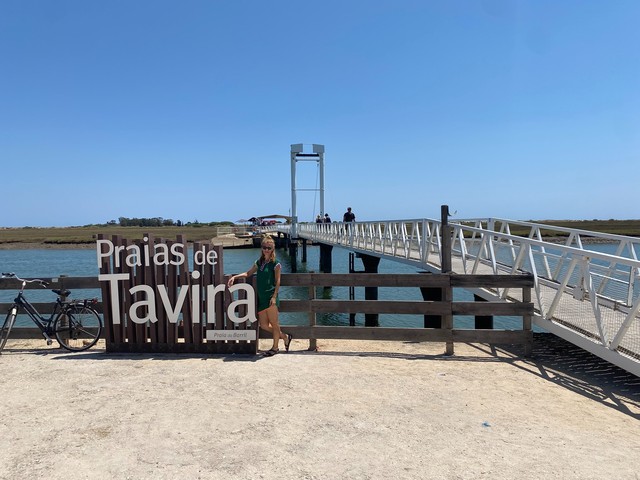
While most parts of Tavira Island can only be reached by boat, Praia do Barril is a unique exception. You can easily park nearby and reach it without relying on ferry timetables – a big advantage when traveling with a small child.
Parking and Getting There
There’s a large paid car park right before the bridge to the island, and that’s where we left our car. There are also a few free parking spaces along the road leading to the bridge, but during peak times (especially in summer), they fill up quickly – we didn’t manage to find one. Even in the paid car park, we had to hunt for a space, but luckily, we got one in the end.
From there, we walked across a small bridge spanning the Ria Formosa Lagoon – a lovely short walk with peaceful views of the wetlands.
On the other side of the bridge, a tiny train station awaited us, offering two ways to reach the beach:
Of course, we chose the little train – it was an adventure in itself and became one of Liny’s favorite memories from the holiday.
Tickets cost €2 per person per ride (so €4 return), and our three-year-old daughter could ride for free, which was great.
Tip: The train runs very frequently, every 10–15 minutes throughout the day, so there’s no need to wait long. You can buy tickets on-site at the station, and both cash and card payments are accepted.
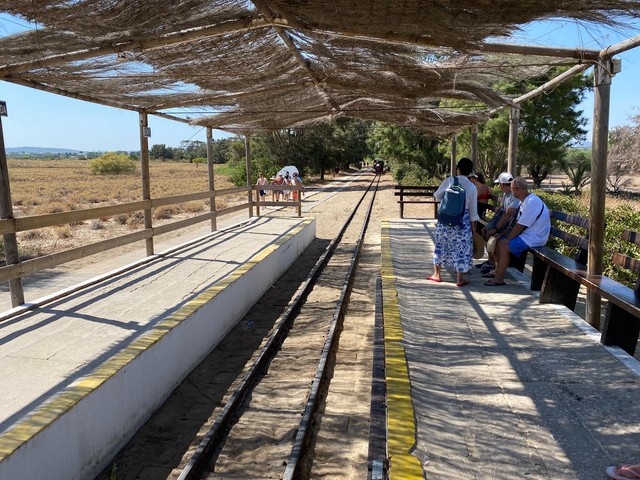
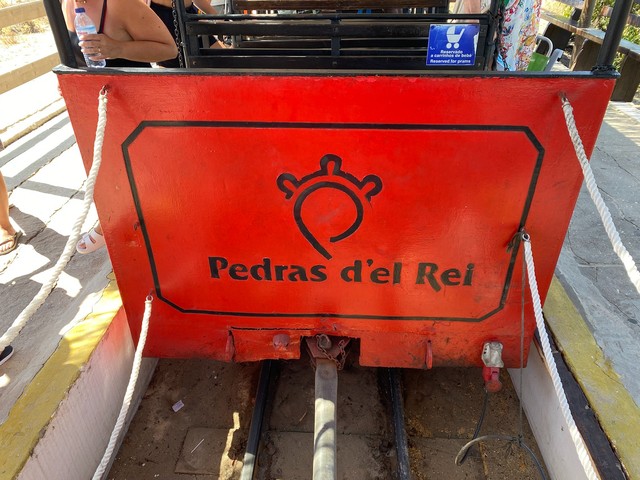
The small train rattled along through the protected wetlands of Ria Formosa Natural Park. We didn’t spot any flamingos, but we did see plenty of tiny crabs scurrying away into the mud as we passed.
Interestingly, the railway was originally built by tuna fishermen to transport their gear, so this short journey is also a trip back in time.
A Former Fishing Village by the Sea
The final stop of the train is the Praia do Barril Station, just steps away from the beach itself. The former tuna fishing village has been beautifully transformed – old fishermen’s houses now serve as charming cafés and seaside restaurants.
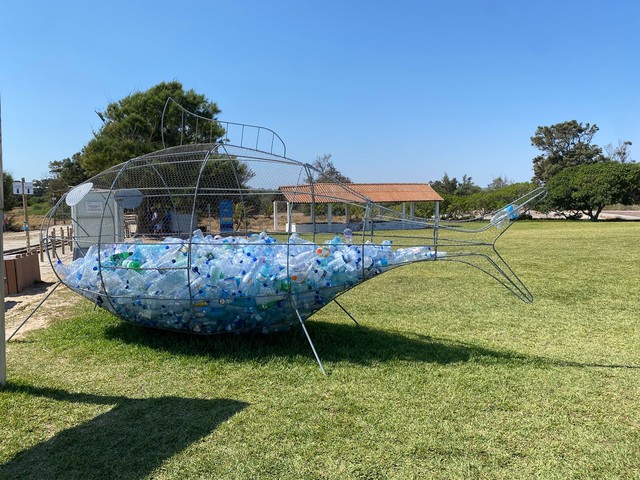
Tip: There are public restrooms available, and several restaurants right by the beach. The ones near the Anchor Cemetery are especially atmospheric and great for a seaside meal.
One of the beach’s most iconic sights is the Anchor Cemetery (Cemitério das Âncoras) – more than a hundred rusted anchors half-buried in the sand, left behind by the tuna fishermen who abandoned the area when the bluefin tuna migrated to other waters. This open-air memorial gives the beach a unique and almost poetic atmosphere – like a seaside museum embraced by nature.
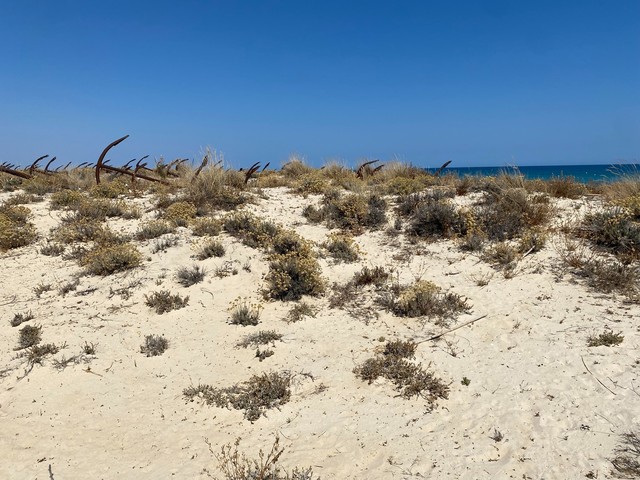
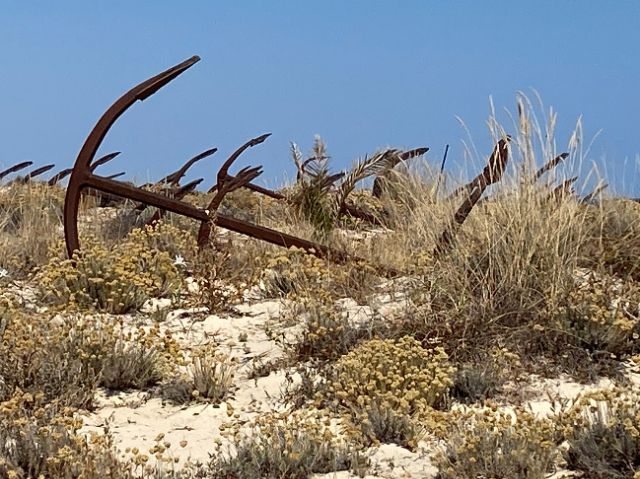
Praia do Barril is a long stretch of soft, golden sand where we easily found space even in the afternoon. We set up our umbrella, unpacked the sand toys, and headed straight for the water.
The ocean here was pleasantly warm – surprisingly more so than on other beaches we had visited – and the waves were just right for a little one to splash around safely.
Tips:
Shade: There’s very little natural shade, so bringing your own beach umbrella is essential.
Family-friendly: The beach is shallow, with fine, clean sand – perfect for families with young children.
After a couple of hours of beach fun, we headed back to catch the train again. It arrived within minutes, and we enjoyed our sandwiches and snacks (bought earlier at the café) during the ride back.
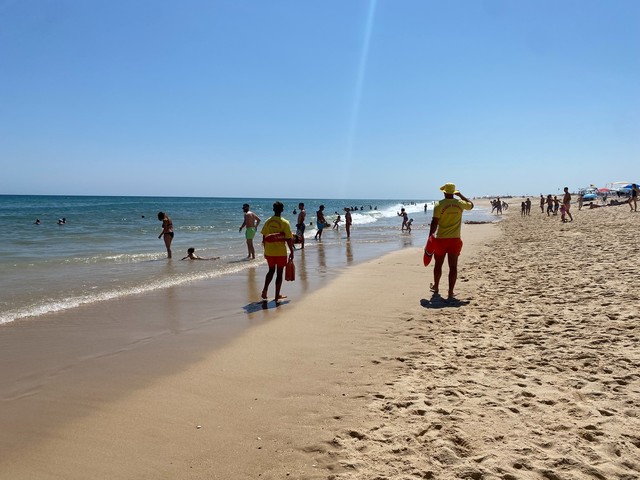
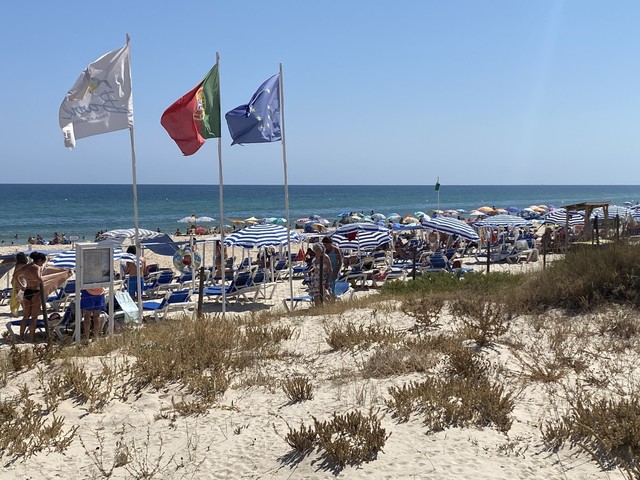
By the time we got back to the car, it was already after 4 p.m. Our daughter fell asleep as soon as we started driving – and about half an hour later, we arrived in Faro.
Faro, the capital of the Algarve, lies right next to the Ria Formosa Lagoon, blending natural beauty with historic charm. The city’s character is shaped by this unique mix – the hum of airplanes landing nearby, the storks nesting on rooftops, and the timeless tranquility of its old town.
As we walked through the city, we noticed stork nests everywhere, especially perched on the historic gates.
Platforms such as GetYourGuide, Freetour and Tiqets offer a wide range of activities in Faro, making it simple to check availability, prices, and itineraries before you go.
After parking – and before dinner – we wanted to visit the Faro Cathedral while it was still open. We entered the old town through Arco do Repouso, the nearest of Faro’s three historic gates (the other two are Arco da Vila and Porta Nova).
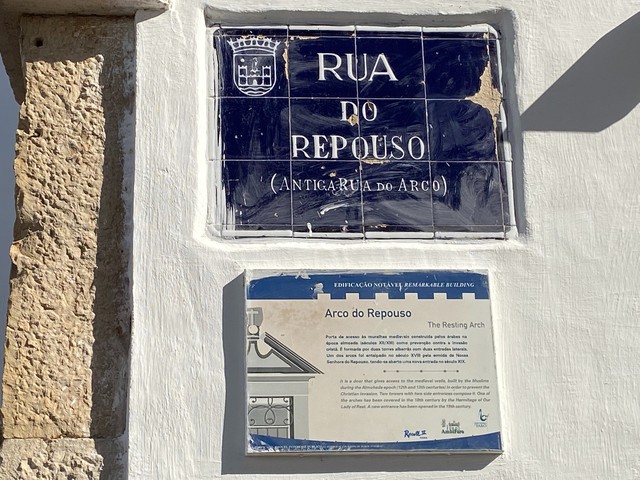
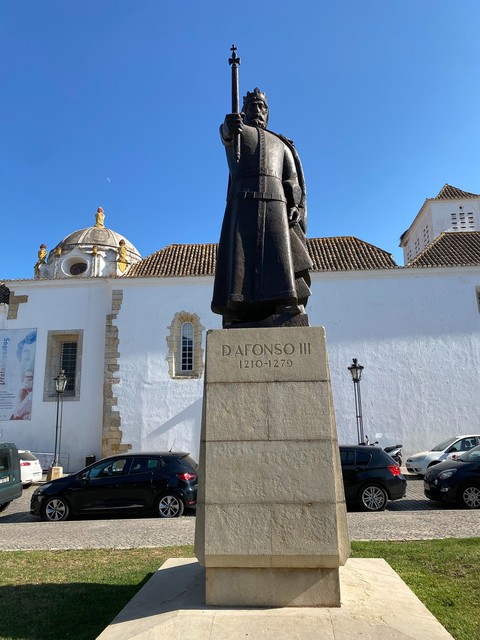
The beautiful archway led us straight into Praça Afonso III, one of the main squares of the old town, where a statue of King Afonso III stands. He was the Portuguese ruler who drove the Moors out of the Algarve in the 13th century, making the region part of the Kingdom of Portugal.
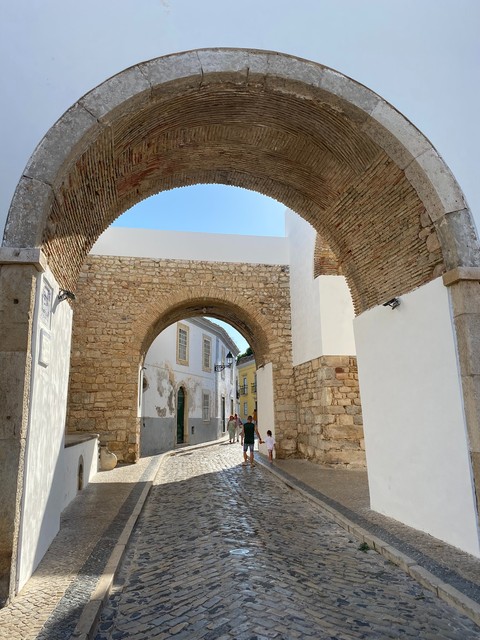
Faro Cathedral (Sé Catedral de Faro)
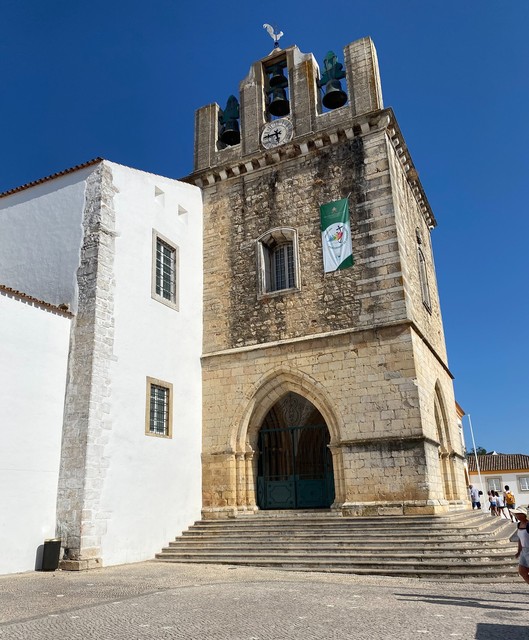
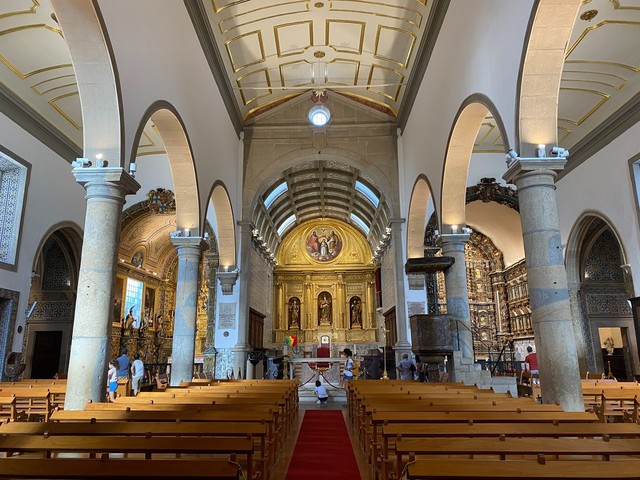
Built in the 13th century, Faro Cathedral stands at the heart of the old town. Entry costs €5 per adult, and our three-year-old got in for free – always a nice bonus for family travelers.
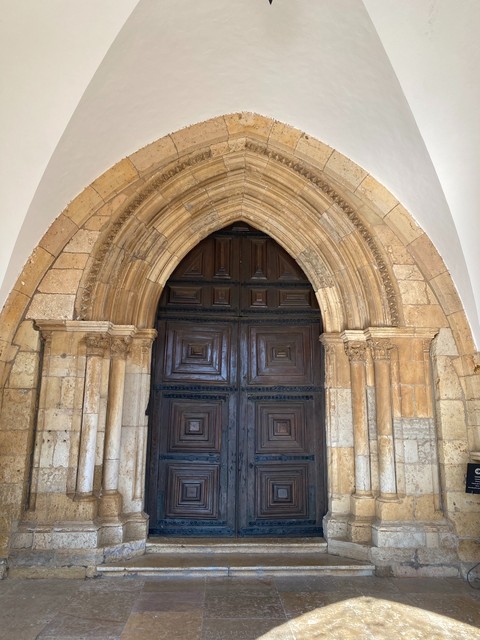
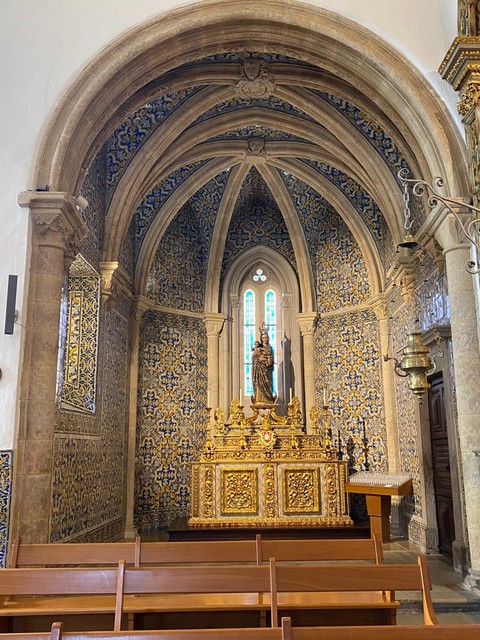
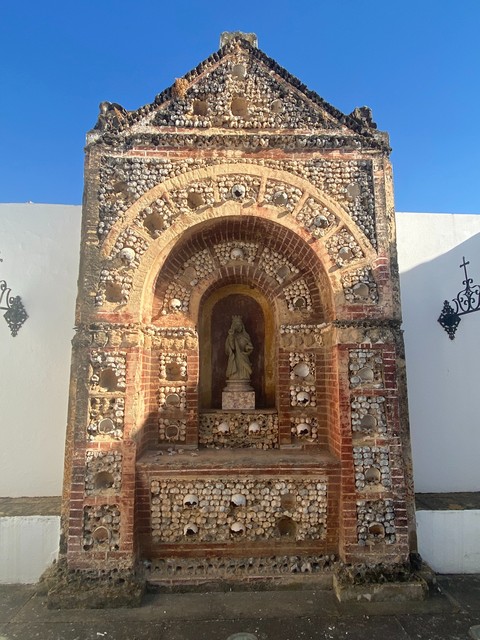
It was definitely worth the quick walk from the car park. Inside, the cathedral is beautifully decorated, and there’s a peaceful little garden. The ticket also includes entry to several areas – the cathedral itself, a small museum, a bone chapel, and the bell tower.
The Chapel of Bones is particularly striking: its walls and ceiling are decorated with the bones and skulls of over 1,200 monks. Built in the 19th century, it’s a solemn yet fascinating reminder of faith and mortality.
The multilingual information boards throughout the site were very helpful, giving more context to the artworks and the cathedral’s history.
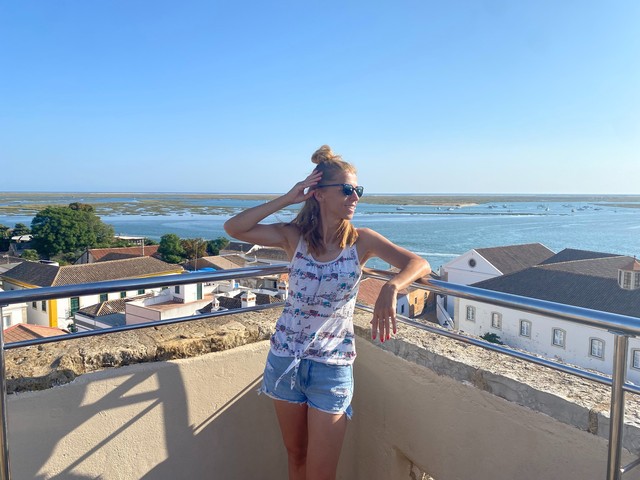
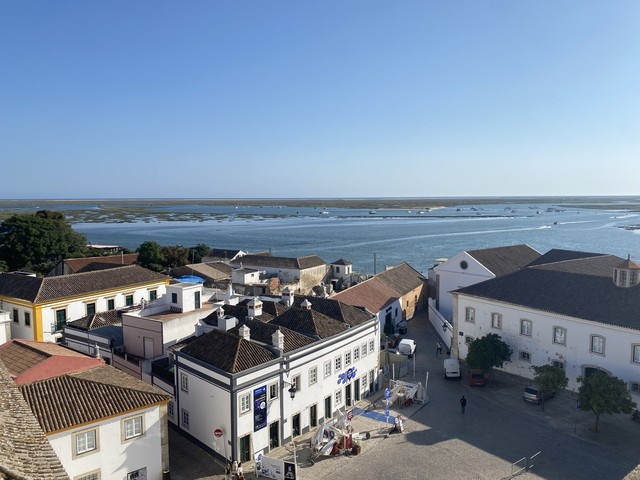
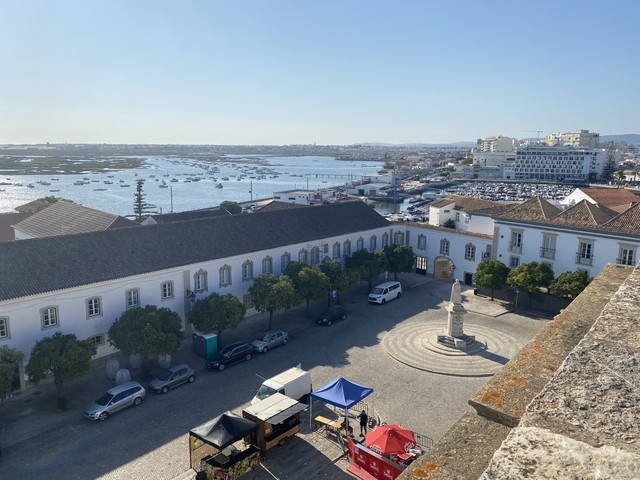
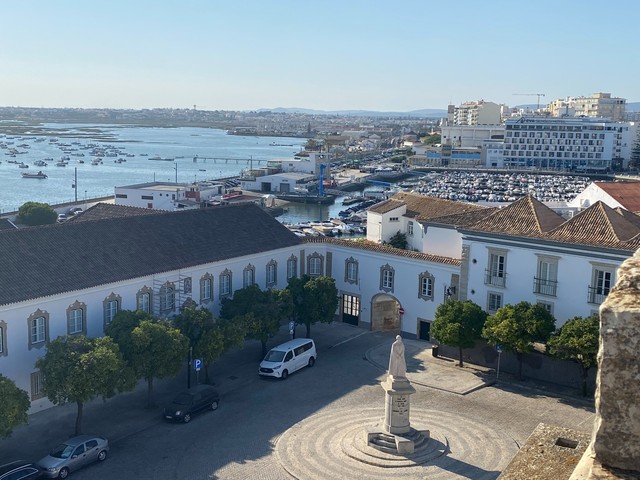
Climbing the 68 steps up the bell tower is a must – from the top, you’re rewarded with breathtaking views over Faro and the Ria Formosa lagoons. The view is absolutely worth the effort – a perfect finale to the visit.
Wandering the Cobbled Streets of Faro’s Old Town
Leaving the cathedral, we crossed Largo da Sé, where the statue of Dom Francisco Gomes do Avelar, the 18th–19th-century Bishop of Faro, stands. We exited the old town through Arco da Vila, another magnificent gateway rebuilt after the 1755 earthquake.
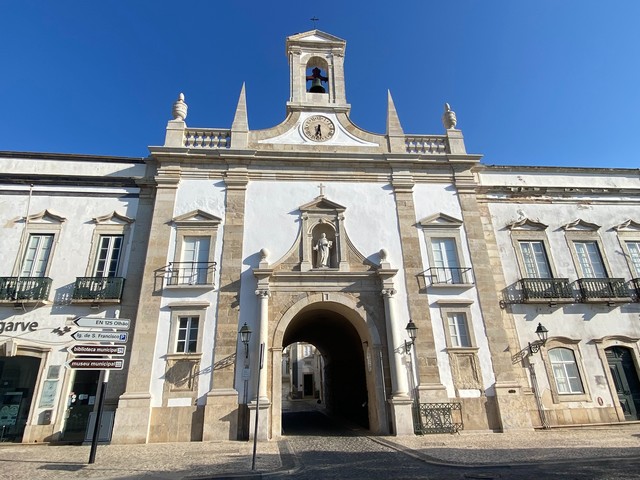
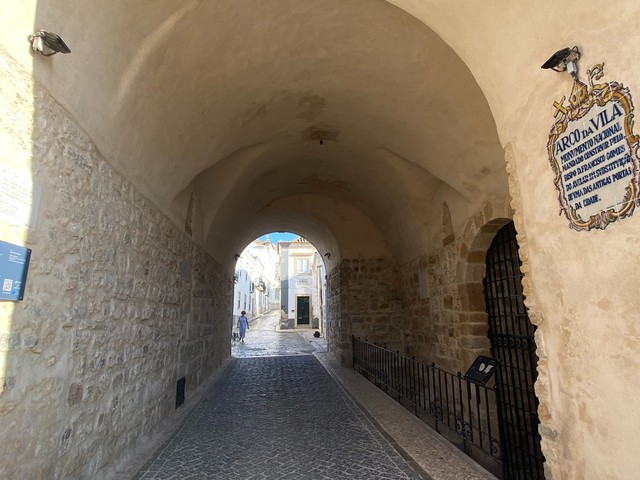
Walking under its grand arch, we headed towards the harbor and looked back to admire the statue of Saint Thomas Aquinas, Faro’s patron saint, perched above the gate – and, of course, more stork nests!
From there, we strolled into Jardim Manuel Bivar, a charming little park with shady benches and a small playground – perfect for a short break with a child.
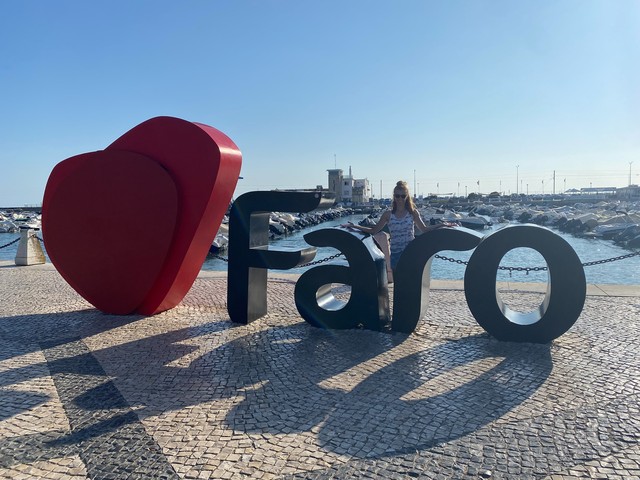
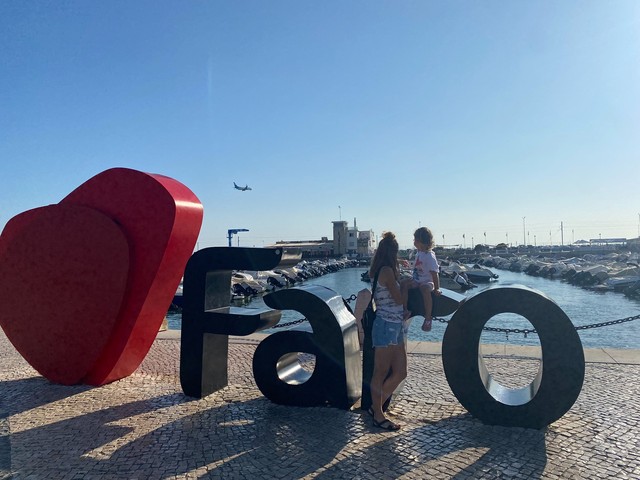
Just a few steps away, we reached the marina, where the large modern FARO sign (complete with a heart-shaped sculpture) stands. Naturally, we couldn’t resist the classic “Faro photo” – with the lagoon and city lights making the perfect backdrop.
Evening Walk and Dinner in the City Centre
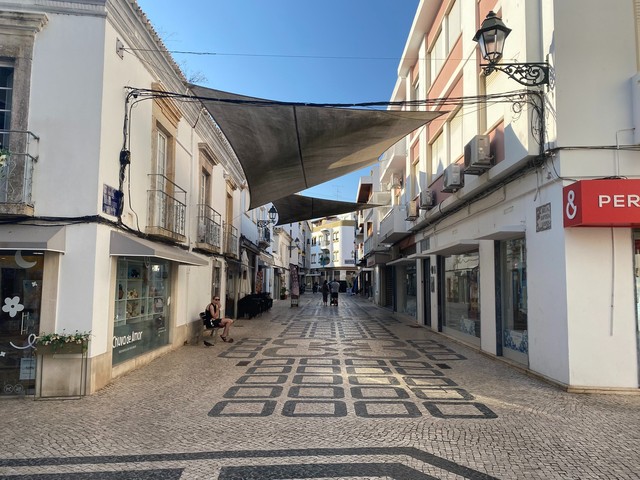
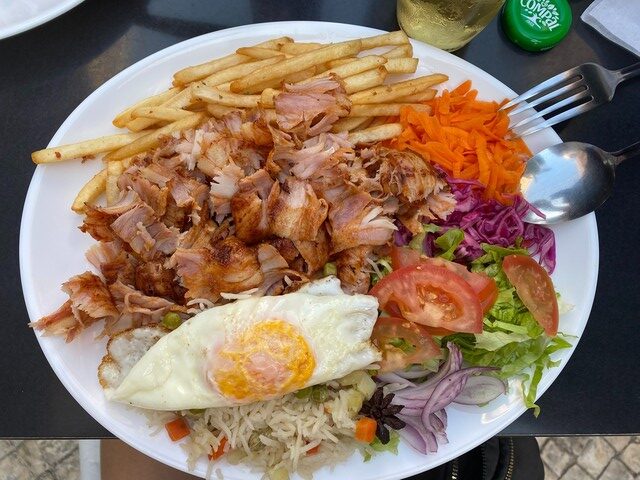
After exploring the old town and the marina, we wandered into the lively pedestrian streets filled with restaurants and cozy outdoor terraces. We found a lovely spot for dinner, the perfect way to end our day.
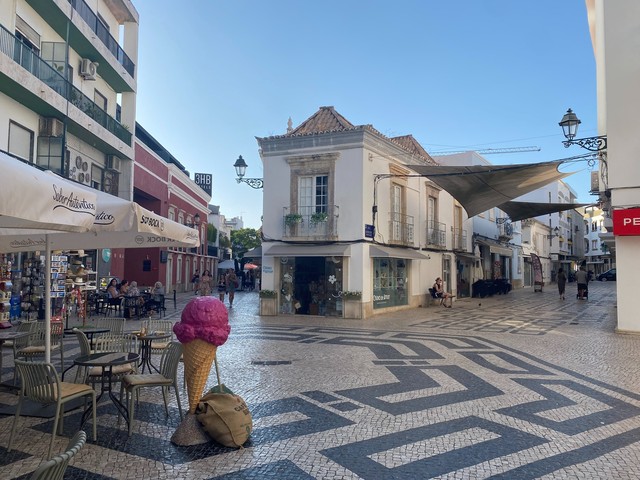
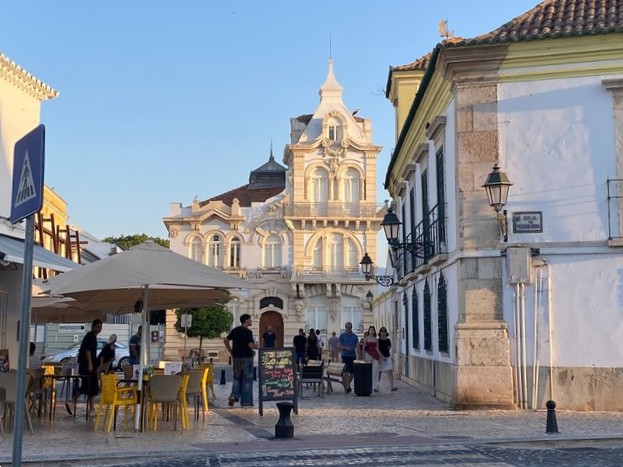
By the end of the evening, Faro had truly captured our hearts – a city that’s both historic and full of life, peaceful yet vibrant. It’s an ideal destination for a half-day trip or a full day of exploration – and it’s surprisingly easy to enjoy even with a young child.
Tired but happy, we arrived back at our accommodation in Portimão around 8 p.m., after a wonderful and adventure-filled day. If you are looking for a place to stay, we recommend checking Booking.com or Vrbo for family-friendly apartments.”
Some of the links in this post are affiliate links. This means we may earn a small commission at no extra cost to you. This helps support WanderingKite and allows us to continue sharing family travel tips and experiences.
Algarve with a Toddler – 6 Days of Beaches, Cities, and Family Adventures in Portugal
Day 1 in Portugal: Exploring Belém and Heading to the Algarve
Day 2 in Portugal: Alvor, Praia dos Três Irmãos, Ferragudo & Portimão
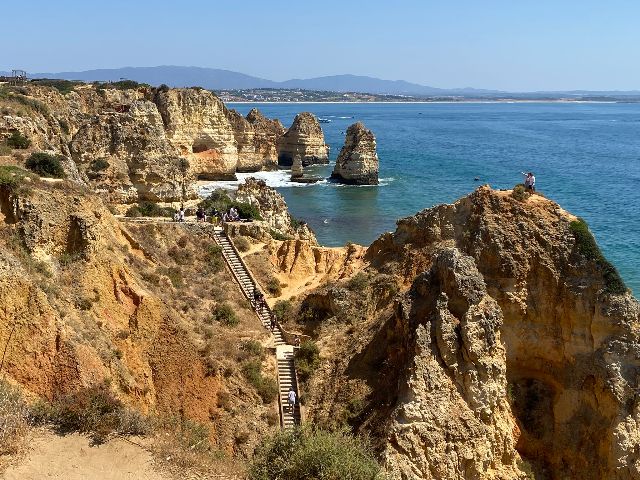
Day 3 in Portugal: Lagos, Ponta da Piedade & Praia dos Estudantes
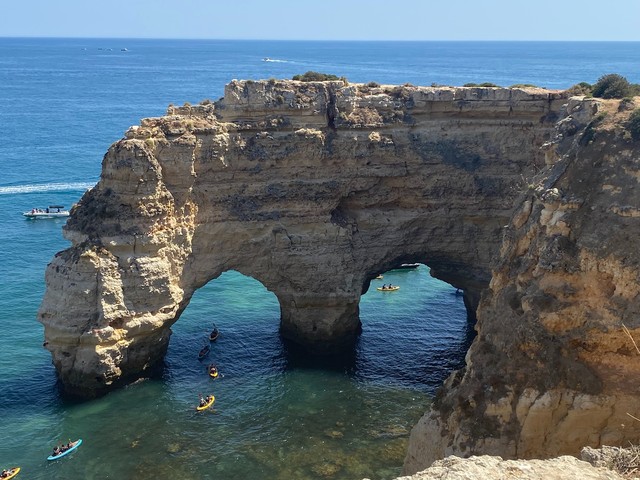
Day 5 in Portugal: Highlights of Carvoeiro, Benagil & Albufeira
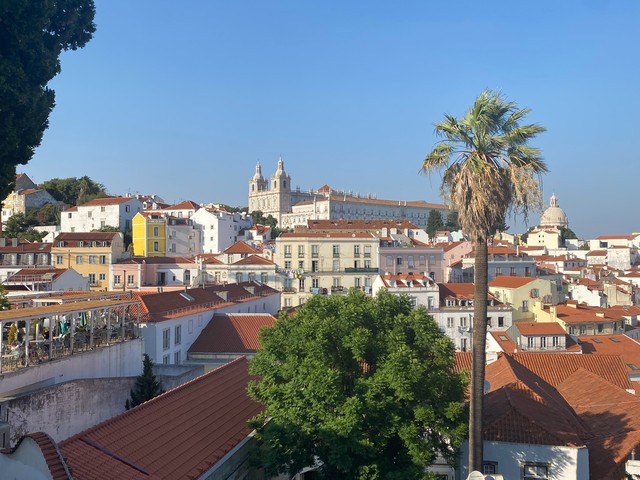
Day 6–7 in Portugal: Portimão, Our Lisbon City Break & Cabo da Roca
@ Copyright - WanderingKite | All rights reserved! | Privacy Policy